Call Now! (303) 792-4999

Residential Electrical Panel Upgrades in Denver & Parker, CO
Your electrical panel is the heart of your home’s power system. When it is undersized, outdated, or damaged, you can see everything from nuisance breaker trips and flickering lights to serious electrical fire risks.
Cu Solutions provides code compliant residential electrical panel upgrades, electrical panel replacements, and circuit breaker replacement services for homeowners in Denver, Parker, Aurora, and the greater Denver metro area.
Safety First
NEC-based planning and clean workmanship.
Future Ready
EV, solar, heat pumps, remodel loads.
Permit Ready
We coordinate permits and inspections.
Request a panel upgrade assessment
Why Your Electrical Panel Matters in Denver Homes
Your main electrical panel (often called the breaker box or service panel) is the distribution center that takes power from the utility and safely routes it to every circuit in your house.
Modern homes in Denver, Aurora, and Parker often run:
• Electric ranges and ovens
• Central air conditioning or high efficiency heat pumps
• Electric dryers and water heaters
• Level 2 EV chargers
• Home offices, entertainment systems, and outdoor living spaces
Many older homes in Denver and nearby cities were built with 60 amp or 100 amp service, and were not designed for today’s plug loads.
Why it matters
When a panel is overloaded, damaged, or installed incorrectly, you increase the risk of overheating, arcing, and electrical fires. Working with licensed electricians who follow the National Electrical Code (NEC) and Colorado State Electrical Board requirements is critical for safety and insurance compliance.
Safety note: If you smell burning plastic, hear buzzing, or see discoloration around breakers, treat it as urgent and call a licensed electrician.
12 Warning Signs Your Denver Home Needs an Electrical Panel Upgrade
If you are searching for “electrical panel troubleshooting” or “breaker box Denver” because something feels off, your panel may already be calling for help. Here are 12 warning signs that it is time to talk to a Denver electrician about an electrical panel upgrade or replacement.
1. Frequent breaker trips
Breakers trip during normal appliance use, or you reset the same breaker often.
2. Breaker will not reset
You reset the same breaker often or it will not reset at all.
3. Fuses instead of breakers
Older homes still using fuses instead of modern circuit breakers.
4. Flickering or dimming lights
Breakers trip during normal appliance use, or you reset the same breaker often.
5. Multiple rooms flicker
Flickering across several rooms can indicate broader capacity or connection issues.
6. You avoid using outlets together
Load sharing becomes a daily workaround to prevent flickering or trips.
7. Buzzing or crackling
Sounds from the breaker box can indicate arcing or loose connections.
8. Burning or “fishy” smell
Odors near the panel or outlets can indicate overheating components.
9. Warm or hot cover
Warm or hot panel covers and breakers. Heat at the panel or breakers is a serious red flag.
10. Discoloration or melting
Brown, black, or melted marks around breakers or panel cover.
11. Rust or corrosion
Visible corrosion, missing screws, or water intrusion near the panel.
12. Outdated equipment
Very old breaker brands or panels not aligned with modern safety standards.
Seeing any urgent red flags?
If you hear buzzing, smell burning, or see heat or discoloration, call for an immediate assessment.
Future Proof Your Home for EVs, Solar, and New Electrical Loads
Denver metro homeowners are adding more high-demand electric loads than ever. A panel upgrade is often the first step to support a safer, more efficient, electrified home.
Supporting Level 2 EV Charger Installations
Level 2 EV chargers usually require a 240 volt dedicated circuit in the 30 to 60 amp range. NEC treats EV charging equipment as a continuous load, so branch circuits must be sized at 125 percent of the charger’s rated current.
• NEC-based load calculations
• Dedicated circuit planning
• Options: panel upgrade, subpanel, or rebalancing
Electrical Backbone for Solar and Battery Integration
Designing solar ready electrical service in Denver often means upgrading your existing panel, especially in older homes built before modern electrical codes were adopted. A properly sized and configured panel allows safe integration of:
• Solar-ready service planning
• Inverter and battery coordination
• Smart load monitoring compatibility
High Efficiency HVAC Heat Pumps
Cold climate heat pumps can dramatically change your electrical load profile. High performance systems provide both heating and cooling from one piece of equipment, but they also require dedicated circuits and careful HVAC electrical load calculation.
• Dedicated circuit requirements
• Load planning for whole-home comfort
• Coordination with HVAC upgrades
100 Amp vs. 200 Amp vs. 400 Amp: Choosing the Right Panel Size
Every home is different. The right service size depends on your total calculated load, not just the number printed on the main breaker. Cu Solutions uses code-based load calculations to recommend a safe, right-sized solution.
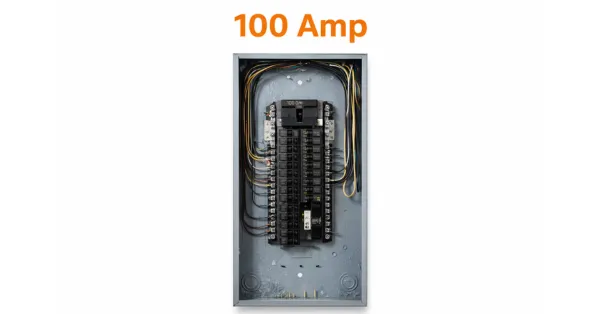
100 amp panels
• Common in older homes around Denver, Aurora, and Lakewood
• Can be adequate for smaller homes with gas heat and limited electric appliances
• Often run out of capacity when you add EV chargers, hot tubs, or new HVAC systems
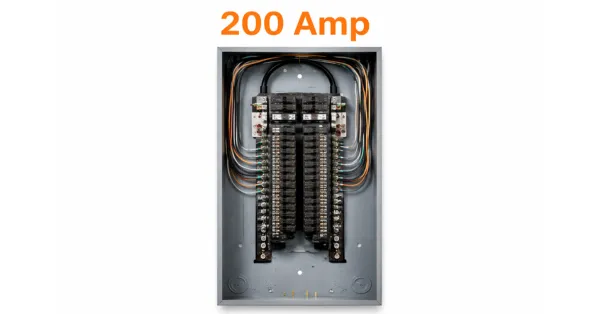
200 amp panels
• The current standard for many modern homes and remodels
• Ideal for most families planning a mix of electric appliances and a single Level 2 EV charger
• Often recommended for homes preparing for solar or future heat pump upgrades
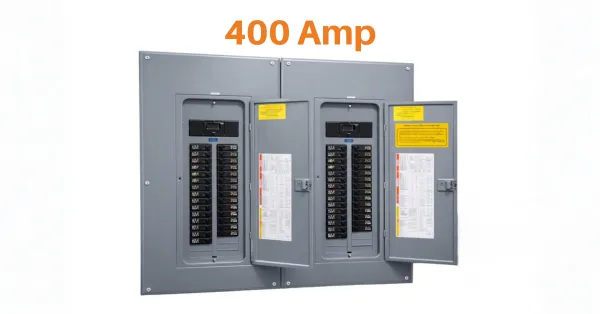
400 amp panels
• Used for large homes or properties with multiple high demand loads
• Helpful when you combine several of the following: multiple EV chargers, large electric ranges, hot tubs, workshops, and extensive HVAC equipment
• Planned when future expansion is likely
See If Your Electrical Panel Upgrade Qualifies for Colorado Rebates
Thinking about upgrading your electrical panel but concerned about the cost? As a registered Colorado Home Energy Rebate (HEAR) contractor, Cu Solutions can help you find out whether your panel upgrade, wiring, and related electrification work may qualify for thousands of dollars in available rebates for eligible projects.
Share a few details about your home and project, and our team will review your panel, confirm potential rebate options, and provide a clear, rebate ready estimate so you know exactly what to expect before any work begins.
Our Panel Upgrade Process: Precision and Safety First

Comprehensive Load Calculations
We document circuits and major loads, apply demand factors, and account for future additions like EV charging, solar, hot tubs, and heat pumps.
• Existing circuits and equipment review
• Right-sized panel, feeders, and main breaker
• No guesswork or questionable parts

Code Compliance and Permitting
Most panel upgrades in Colorado require permits and inspections. We handle permits, coordinate inspections, and provide documentation for your records.
• Permit pull and scheduling
• Inspection coordination
• Documentation for resale and insurance

Trusted Experts
We protect your home, complete the work cleanly, and walk you through the final result so you understand your updated system.
• Jobsite protection and cleanup
• Labeling and final checks
• Clear customer walkthrough
Panel upgrades rarely exist in isolation. A multi-service team helps you avoid duplicate work and surprise costs.
Serving Denver, Parker, and the Greater Denver Metro Area
Cu Solutions provides licensed, code-compliant residential electrical services across the Denver metro area, including electrical panel upgrades, troubleshooting, and electrical safety inspections. As a locally based team, we focus on clear communication, careful workmanship, and dependable scheduling for homeowners throughout South Denver and nearby communities, including:
Service Areas
Proudly serves these areas:
- Arvada
- Aurora
- Denver
- Parker
- Boulder
- Lakewood
- Thornton
- Englewood
- Littleton
- Lone Tree
- Broomfield
- Centennial
- Northglenn
- Castle Rock
- Westminster
- Wheat Ridge
- Highlands Ranch
- Colorado Springs
- Greenwood Village
Visit Cu Solutions
Get directions and connect with our team for home services.
Talk to a Local Electrician About Your Panel Upgrade
If your breaker box is buzzing, your lights are flickering, or you are planning a major project like EV charging, solar, or a heat pump upgrade, your panel is the first place to start.
• Residential electrical panel upgrades and replacements
• Circuit breaker replacement and breaker box replacement
• Electrical safety inspections and troubleshooting
• Integrated solutions for EV charging, solar, HVAC, and remodeling
Electrical Panel Upgrade FAQs for Denver Homeowners
How do I know if my Denver home needs an electrical panel upgrade?
Many homes built between 1950 and 1980 were designed for 60 amp or re EV chargers, home offices, and modern HVAC were common. Your home may need an electrical panel upgrade if you notice:
• Frequently tripping breakers when using standard appliances
• Flickering or dimming lights when the AC or furnace blower starts
• Buzzing or crackling sounds coming from the breaker box
• Warm, hot, or discolored panel covers
• A fuse box or very old breakers instead of a modern panel
• Heavy use of power strips and extension cords because you do not have enough dedicated circuits
If you are unsure, scheduling an electrical safety inspection in Denver is a good first step. A licensed electrician can inspect the panel, document your loads, and advise whether a panel update or full electrical panel replacement is recommended.
Do I need a 200 amp electrical panel upgrade to install a Level 2 EV charger in my Denver home?
In many Denver homes, a Level 2 EV charger does require a 200 amp electrical panel upgrade, but it ultimately depends on your home’s existing electrical load and service size. A Level 2 EV charger is treated as a continuous load, so the dedicated circuit must be sized at 125 percent of the charger’s rated current under NEC guidelines. On an older 60 amp or 100 amp panel that already feeds central AC, an electric range, or an electric dryer, there is often not enough remaining capacity to safely add EV charging without overloading the system.
Cu Solutions performs a full electrical load calculation using NEC Article 220 to determine the exact EV charger panel requirements for your home. Based on those results, we may recommend:
• A new dedicated EV circuit on your existing panel if there is enough capacity
• A small subpanel to create circuit space while staying within your current service size
• A 200 amp panel upgrade in Colorado, or in some cases a 400 amp service, when your existing panel cannot safely support a Level 2 EV charger plus your other major appliances
By right-sizing your panel and circuits before the charger is installed, we help protect your EV equipment, prevent nuisance breaker trips, and keep your home compliant with current electrical codes.
Do I need a panel upgrade if I am adding a heat pump or heat pump water heater in Colorado?
Possibly. Modern cold climate heat pumps and heat pump water heaters are efficient, but they still add a significant dedicated electrical load to your home. When you plan to install new high efficiency HVAC equipment, it is important to make sure your electrical panel can safely support it along with your existing appliances.
During a residential electrical panel upgrade, Cu Solutions evaluates:
• The electrical load of your new heat pump or heat pump water heater
• How that load interacts with existing major appliances such as ranges, dryers, and EV chargers
• Whether your current panel size provides enough capacity for both present and future equipment
If the panel is undersized, we will recommend an appropriately sized panel replacement, often a 200 amp panel upgrade, so your heat pump, EV charger, and other systems can operate together without overloading circuits or causing repeated breaker trips.
What constitutes an electrical emergency with my breaker box in Colorado?
You should call for emergency electrical service right away if you experience any of the following with your breaker box or electrical panel:
• A burning, melting, or “fishy” smell near your panel or outlets
• A breaker that will not reset and leaves large parts of the home without power
• Repeated tripping of the main breaker
• Smoke, arcing, or visible sparks at the breaker box
• Buzzing or crackling that gets worse over time
• A panel that feels hot to the touch
These issues can indicate overheating or failure inside the panel and can significantly increase fire risk. Do not remove the panel cover or attempt DIY repairs. Turn off affected circuits if it is safe to do so, then contact a licensed Denver electrician for immediate help.
Do I need a permit for an electrical panel upgrade in Denver, Aurora, or Parker?
Yes. In almost every Colorado jurisdiction, including Denver, Aurora, Parker, and surrounding cities, electrical panel upgrades and major electrical work require permits and inspections. Denver Community Planning and Development, along with other local building departments, requires permits for most construction, alteration, or repair work on private property, including electrical service changes.
Permits help ensure:
• Compliance with the National Electrical Code (NEC) and local amendments
• Proper installation by licensed electricians
• Documented work for insurance and real estate records
Cu Solutions handles the permitting and inspection process on your behalf, so you do not have to navigate the rules or paperwork yourself.
How many electrician quotes should I get for a panel replacement, and what should I compare?
For larger electrical projects such as a full panel replacement, whole home rewiring, or solar ready service upgrades, it is reasonable to get two or three electrician quotes.
When comparing estimates for an electrical panel upgrade or electrical panel replacement in Denver, look at:
• Panel size and brand being proposed
• Whether a full electrical load calculation is included
• What is covered in the scope of work, such as wiring updates, grounding, surge protection, and AFCI or GFCI breakers
• Permit and inspection fees
• Warranties on parts and labor
• Proof that you are working with licensed electricians in Denver and Colorado
Be cautious of quotes that are significantly lower than others, especially if they downplay permits or cannot explain how they determined the correct panel size. A thorough, code compliant panel upgrade should always prioritize safety, proper materials, and long term reliability over the lowest possible price.
Ready To Upgrade Your Electrical Panel in the Denver Metro Area?
Upgrade your electrical panel for a safer, more reliable home that is ready for EV charging, solar, and future projects.
Cu Solutions is a locally trusted home services company. We are licensed Denver electrician & HVAC experts providing electrical panel upgrades, solar, and EV charger installation for homeowners in Denver, Parker, Aurora, Lakewood, Arvada, Centennial, Englewood, and surrounding communities.


Service Type
Programs
Financing
Realtor Partnership Program
© 2026 Cu Solutions - All Rights Reserved.
Built with Passion by: Nexlift Marketing
© 2026 Cu Solutions - All Rights Reserved.
Built with Passion by: Nexlift Marketing